
Welcome to Sellia
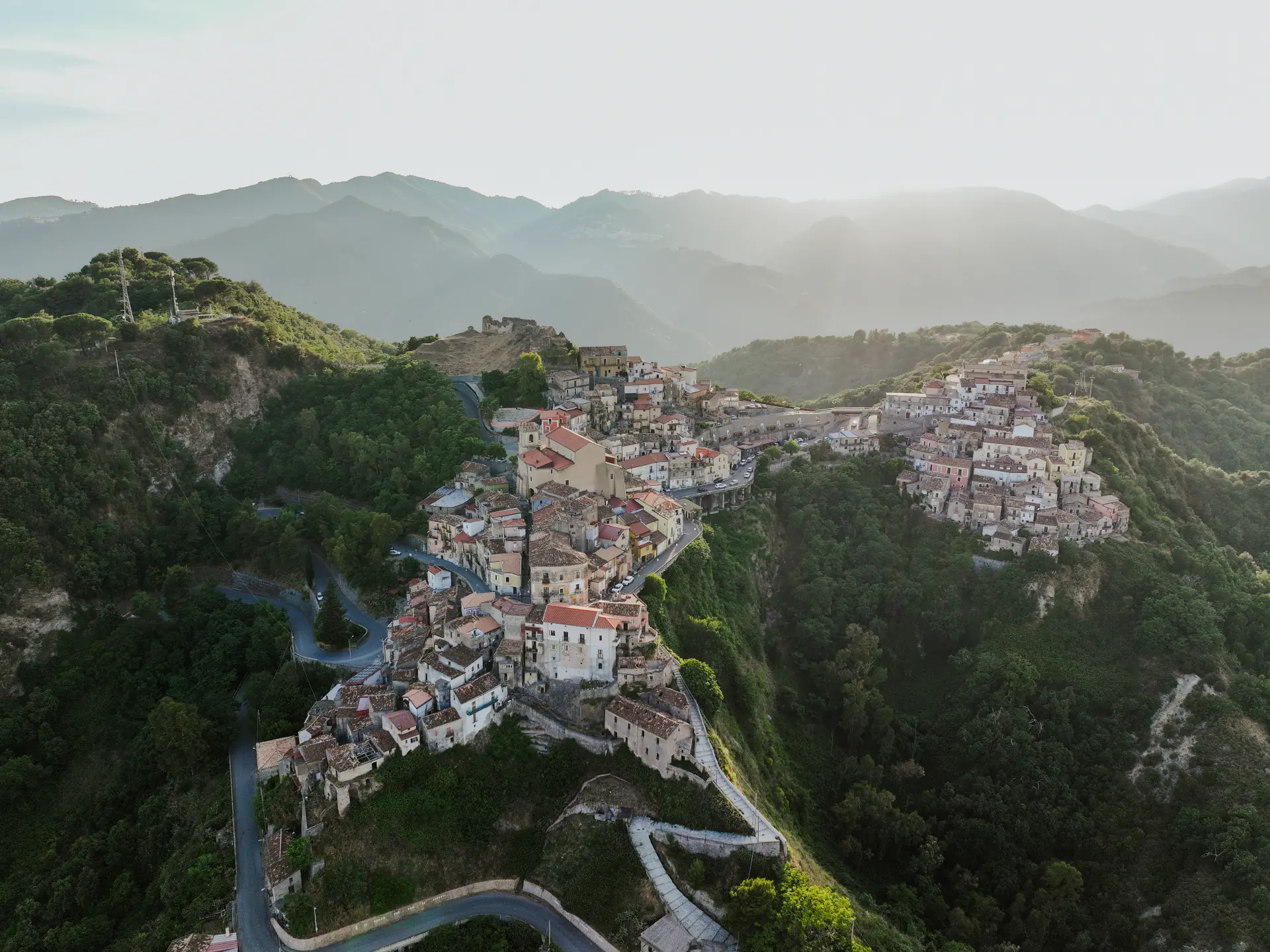
A village in the Presila Catanzarese, recorded in historical sources since 1272, with medieval fortifications, churches, museums and community traditions.
Sellia: History and Heritage
The first confirmed historical reference to Sellia dates to 1272, in a document issued by Charles I of Anjou. Later sources record the transfer of the fief between several families, from the Mazza to the Sersale and then the Perrone, until the abolition of feudalism in 1806.
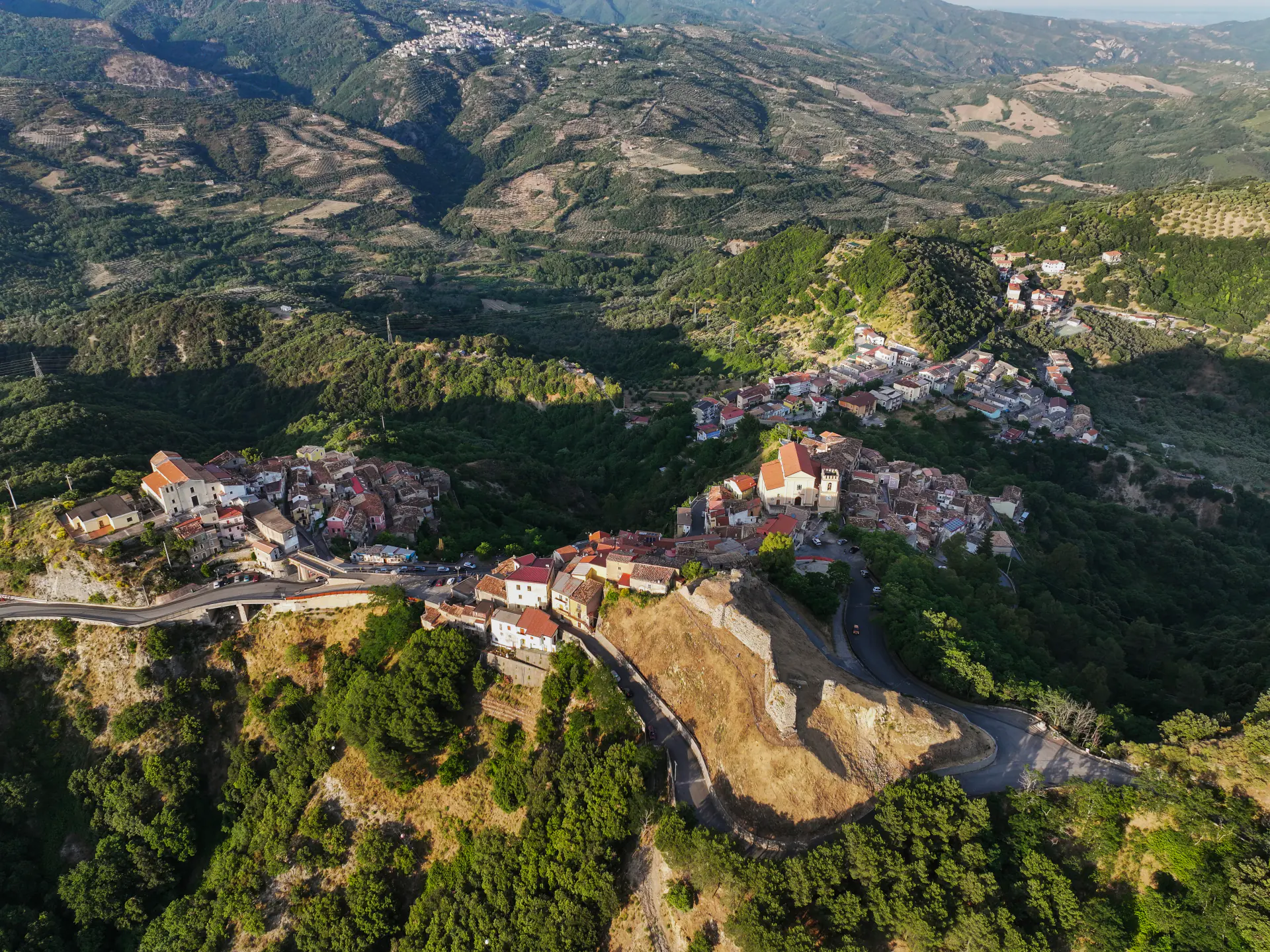
The castle ruins, traces of the town walls and the historic gates reveal the defensive organisation of the medieval village. Research cited in the source documents dates the earliest phases of this system to the 10th-11th centuries, followed by later alterations; landslides between 1939 and 1949 destroyed much of the district below the fortress and severely damaged the castle.
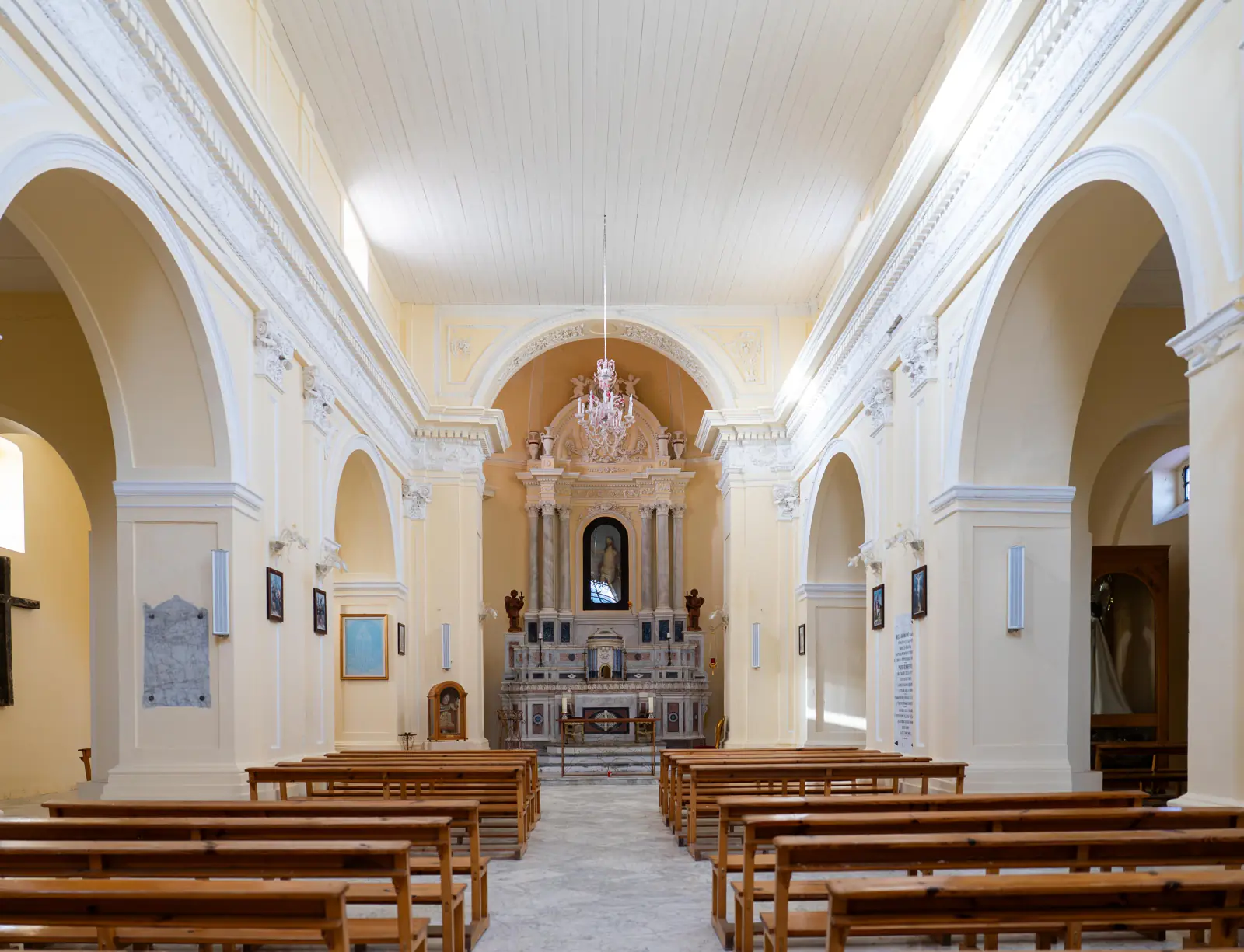
The historic centre includes the Mother Church of San Nicola di Bari, dating from the 16th century and housing a marble Pietà and three historic bells, and the Church of the Holy Rosary, built between the late 17th and early 18th centuries and altered by successive restorations.
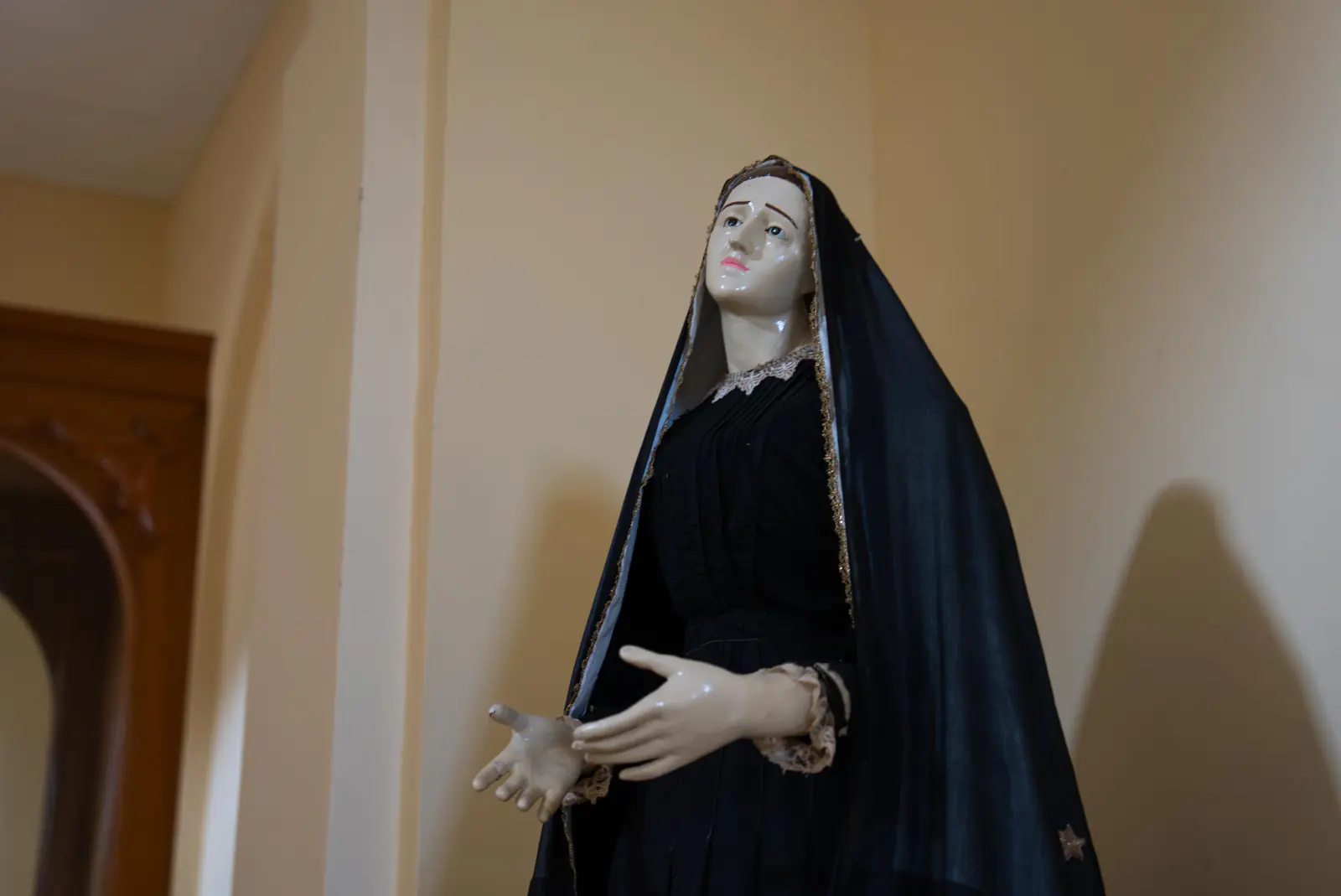
Community memory lives on in the rites of Holy Week, the Sacred Play performed every four years, and the feasts of Our Lady of the Snow, Our Lady of the Rosary and San Nicola. Local farming and food traditions are centred on olive oil, together with bread, pulses, chestnuts, figs, wine for household use, honey, mushrooms and homemade preserves.
Medieval Fortifications
The castle, town walls and ancient gates formed the village's defensive system
Churches and Works of Art
San Nicola, the Holy Rosary, the 16th-century Pietà and historic bells
Agricultural Landscape
Olive groves, chestnut woods, vegetable gardens and small vineyards in local tradition
Rites and Celebrations
Holy Week, the Sacred Play, religious feasts and the Olive Oil Festival
Places and Stories to Discover in Sellia
The Mother Church of San Nicola di Bari, the Church of the Holy Rosary, the castle ruins and Portabella document different phases of Sellia's religious and civic history.
The Comics Museum, founded from the collection donated by Pierluigi Bonizzi, holds around 16,000 volumes. Spaces devoted to rural civilisation and other cultural sites complete the account of the local area.
- Churches and places of worship
- The Castle and the historic village
- Comics Museum and museum culture
- Traditions and local heritage
Sellia's Heritage and Traditions
Historical Sources
The first confirmed reference dates to 1272, alongside evidence of a medieval defensive system
Produce of the Land
Olive oil, chestnuts, figs, pulses, honey and mushrooms in local food traditions
Cultural Heritage
Churches, fortifications, museums and works of art preserve the village's memory
Community Traditions
Easter rites, religious celebrations and the Olive Oil Festival shape the local calendar
The Borough on Video
Web TV collects the videos published on the portal to document Sellia's places, initiatives and community life.
Available videos can be watched freely, without registration. The section is updated by authorised portal staff.